Tournament Integrations Boosting Roulette Incentive Effectiveness Across State-Licensed Casino Portals
Otto Beck · Aug 23, 2026
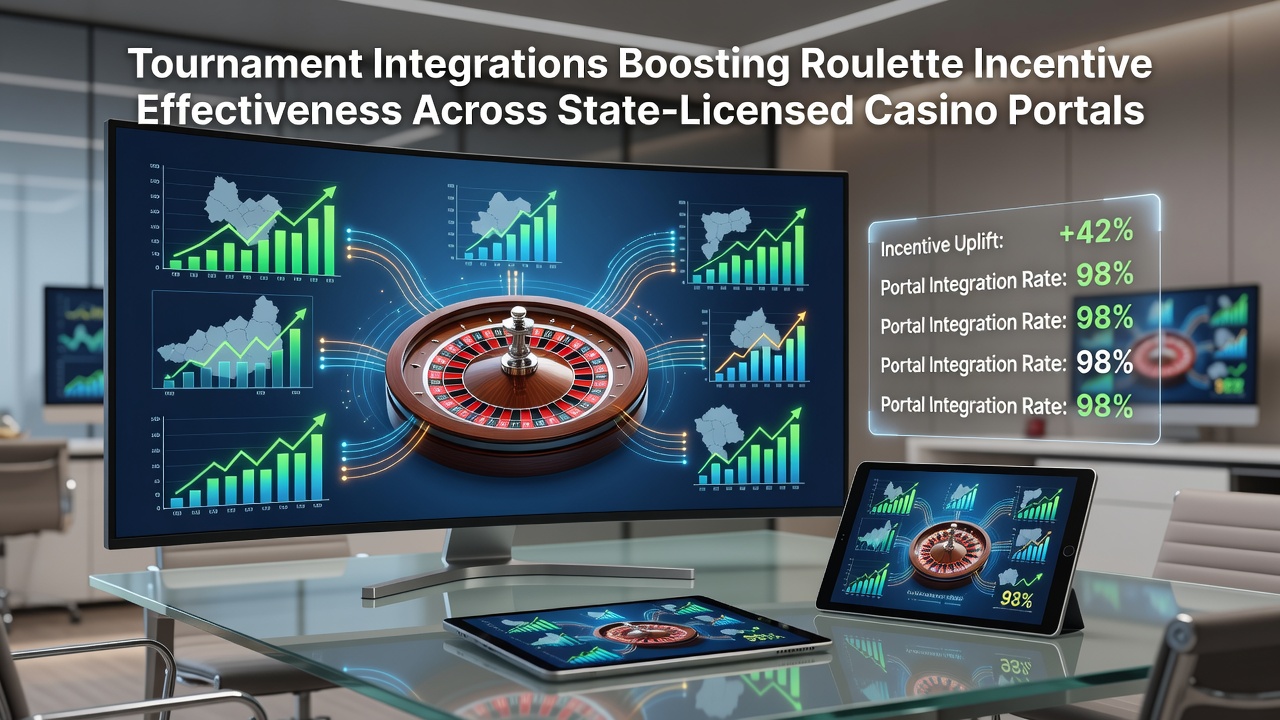
Tournament Integrations Boosting Roulette Incentive Effectiveness Across State-Licensed Casino Portals
State-licensed casino portals have started folding tournament structures into roulette incentive programs, and data from multiple jurisdictions shows measurable lifts in player engagement metrics. Regulators in New Jersey, Pennsylvania, and Michigan track these shifts through monthly activity reports that detail how competition layers alter bonus redemption patterns. Observers note that when portals add ranked challenges or timed leaderboards to existing roulette offers, clearance rates climb because players treat the tournaments as structured pathways rather than standalone promotions.
August 2026 brought fresh numbers from the New Jersey Division of Gaming Enforcement that highlighted a 23 percent rise in roulette-related incentive utilization after three major operators launched integrated tournament modules. Those modules link daily or weekly competitions directly to bonus funds, so players accumulate points through spins and then compete for additional credit tiers. The result appears in aggregated portal analytics where session lengths extend and repeat visits increase within the same regulatory window.
How Tournament Mechanics Connect to Roulette Incentives
Portal operators embed tournament scoring inside the same interface that displays roulette bonuses, which means players see their progress toward both the incentive requirements and the competition standings at once. Points often derive from wager volume, specific bet types, or consecutive spins without interruption, and those same actions satisfy wagering conditions attached to welcome or reload offers. Researchers tracking multi-state data find that this overlap reduces the cognitive load for players who previously managed separate bonus rules and standalone contests.
One integration pattern uses cumulative leaderboards that reset on a weekly cycle while bonus validity periods run longer, so participants keep returning to improve their rank and simultaneously clear remaining playthrough. State reports indicate that portals employing this approach record higher average bonus clearance percentages compared with sites that run isolated promotions. The connection works because the tournament supplies an immediate feedback loop that reinforces the incentive structure already in place.
State-Level Data Patterns Emerging in 2026
Figures released in August 2026 by the Pennsylvania Gaming Control Board show that roulette incentive programs paired with tournaments produced a 17 percent increase in total handle attributed to bonus play across the five largest licensed sites. Michigan regulators reported similar trends in their Q2 summary, noting that device fingerprinting and interstate verification protocols allow accurate attribution of tournament activity across compact members. Those protocols prevent duplicate counting while still letting players carry progress between participating states.
Analysts at the American Gaming Association compiled cross-jurisdiction figures that place tournament-linked roulette incentives ahead of standard cashback or loyalty rewards in terms of sustained participation rates. The data covers portals operating under full regulatory oversight, so the numbers reflect only verified player accounts and exclude any offshore activity. Observers tracking these reports point out that the effectiveness gain holds across different roulette variants, though live dealer tables show the steepest uptick when tournaments include separate live-streamed brackets.

Technical Integration Methods Used by Licensed Operators
Developers build the tournament layer on top of existing bonus engines so that wager data flows into both systems without requiring separate player inputs. Real-time leaderboards update through the same API calls that track bonus progress, which keeps latency low and maintains compliance with state-mandated reporting intervals. Portals in regulated markets must log every point transaction, and the integrated design lets compliance teams export unified datasets rather than reconciling two independent systems.
Some operators add conditional triggers that release extra incentive credit once a player reaches a certain tournament threshold, creating a secondary reward stream that still counts toward overall playthrough. This approach appears in recent platform updates across New Jersey and Pennsylvania sites, where August 2026 testing showed reduced player drop-off between initial bonus claim and final clearance. The technical setup relies on secure device fingerprinting to maintain account integrity while the tournament runs across multiple sessions.
Player Behavior Shifts Documented by Regulators
Behavioral analytics shared among compact states reveal that players engaged in tournament-linked roulette incentives complete more spins per session on average than those using standard bonuses. The competition element introduces a social comparison layer even when leaderboards remain anonymous, and this drives incremental activity without altering the core rules of the incentive. State reports note that the effect appears strongest among players who already hold active accounts, suggesting the tournaments function more as retention tools than acquisition drivers.
Clearance timelines also compress when tournaments run alongside bonuses, because players log in more frequently to check standings and therefore encounter fewer interruptions that might cause them to abandon remaining wagering requirements. Regulators in multiple states continue to monitor these patterns through required monthly submissions, and the data feeds into broader policy reviews scheduled for late 2026.
Conclusion
State-licensed portals continue to refine how tournament structures overlay roulette incentive programs, and the August 2026 regulatory snapshots provide concrete benchmarks for measuring effectiveness. Integration methods that align scoring with existing bonus engines produce measurable lifts in utilization and session metrics across New Jersey, Pennsylvania, and Michigan. Ongoing data collection through interstate compacts will determine whether these gains persist as more operators adopt similar frameworks in additional regulated markets.