Session Length Analytics Fueling Personalized Roulette Bonuses Across US Regulated Jurisdictions
Ulrich Wolf · Jun 23, 2026
Session Length Analytics Fueling Personalized Roulette Bonuses Across US Regulated Jurisdictions
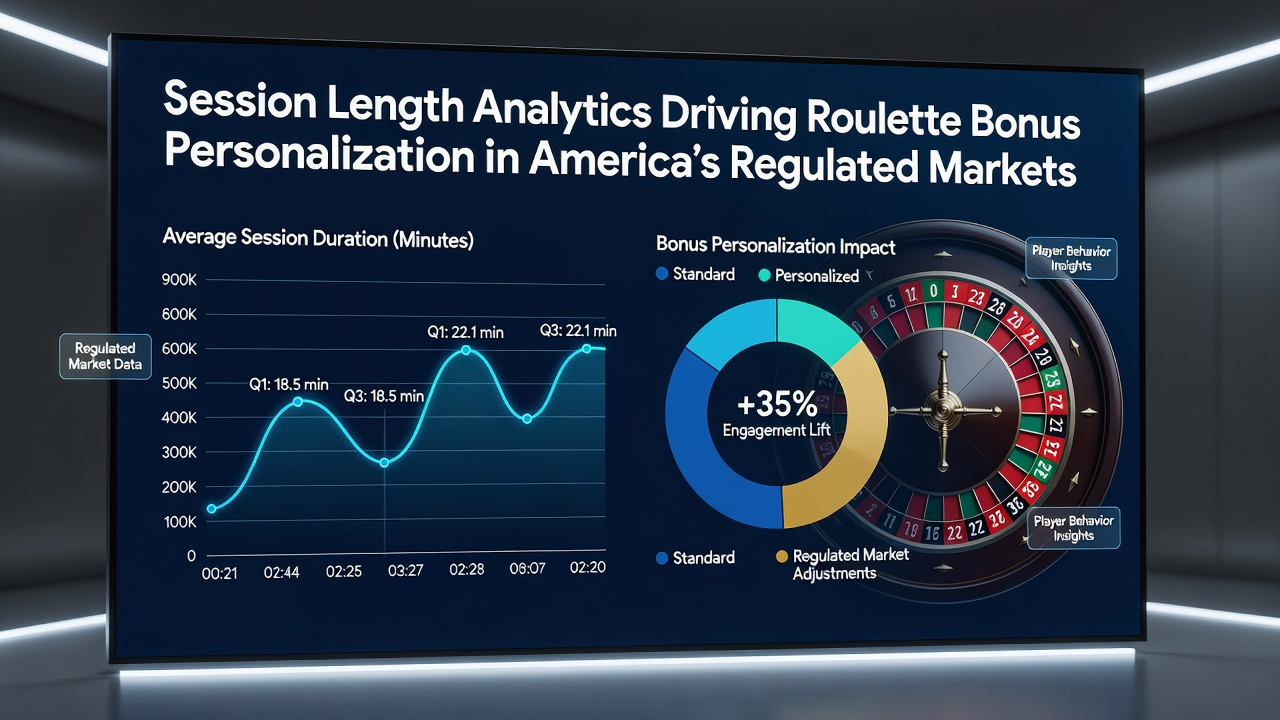
Session length analytics have emerged as a core driver behind roulette bonus personalization in America's regulated online gaming markets, where operators in states like New Jersey, Pennsylvania, and Michigan collect detailed player data to adjust offers based on time spent at virtual tables. Data from these platforms shows that players who engage in extended sessions receive tailored incentives such as matched deposits scaled to average duration or free spin allocations tied directly to observed play patterns, while shorter sessions often trigger different reward structures designed to encourage return visits.
Tracking Session Metrics in Real Time
Operators deploy sophisticated tracking systems that monitor roulette sessions down to the minute, recording metrics including spin frequency, bet size progression, and total time logged in per visit. These measurements feed into algorithms that segment players into categories like quick-hit participants versus marathon enthusiasts, allowing platforms to deliver bonuses aligned with individual habits rather than generic promotions. Research indicates that such segmentation has grown more precise since interstate data sharing expanded in several jurisdictions, giving operators broader datasets to refine their models.
Personalization Mechanics at Work
Personalized roulette bonuses often appear as time-based multipliers where longer sessions unlock higher cashback percentages or reduced wagering requirements on winnings, and shorter ones receive instant credit boosts to restart play. In practice this means a player averaging 45-minute sessions might see offers for reload bonuses capped at modest amounts, whereas those logging two-hour stretches gain access to progressive loyalty credits that accumulate across multiple visits. Figures from state gaming reports reveal that these adjustments correlate with higher retention rates because the offers match documented behavior instead of applying one-size-fits-all terms.
One study released by the American Gaming Association highlighted how session analytics integrate with location data to further customize roulette incentives, noting that players in high-density urban areas within regulated states tend to receive different session-length thresholds than those in suburban zones.
Regulatory Oversight and Data Standards
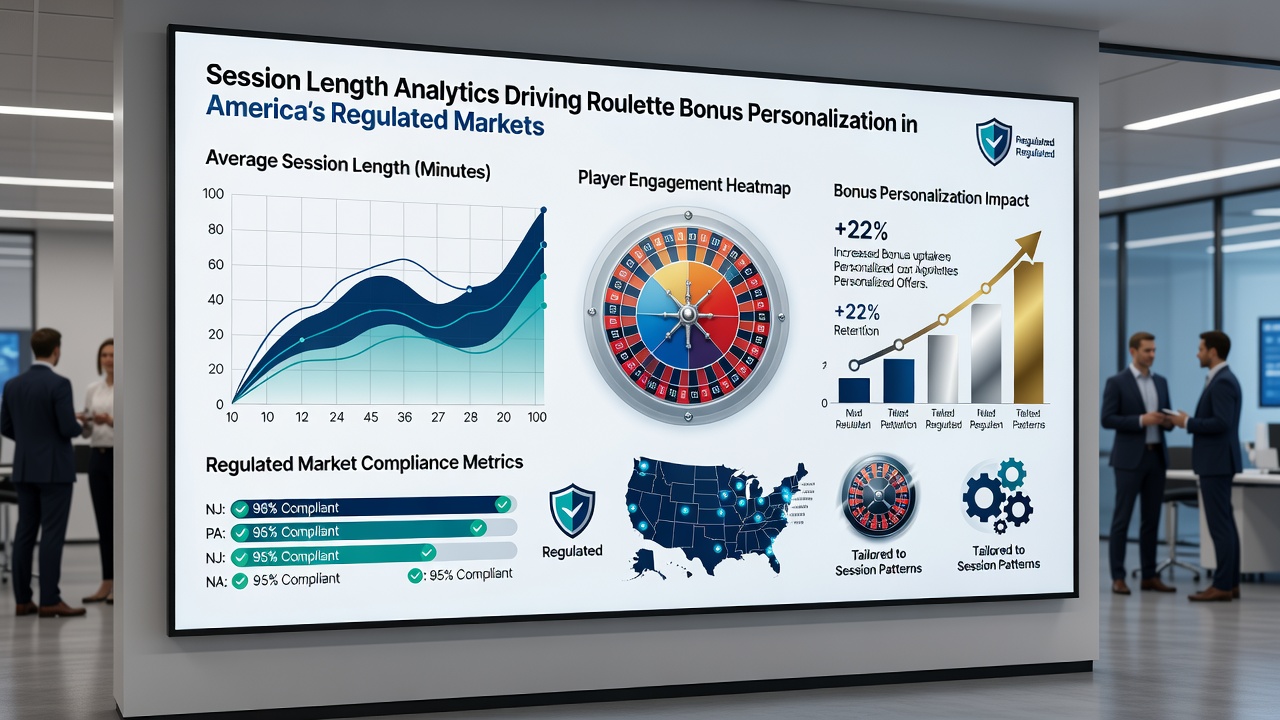
State regulators maintain strict guidelines on how session data informs bonus distribution, requiring operators to document algorithmic decision-making and ensure transparency in promotional terms. The Pennsylvania Gaming Control Board, for instance, mandates periodic audits of personalization engines to verify that session-length criteria do not inadvertently exclude player groups, while similar rules in Michigan emphasize audit trails that link bonus offers directly to verifiable play records. These frameworks have expanded in tandem with market growth, creating standardized reporting that feeds back into analytics refinement across multiple states.
June 2026 Market Developments
By June 2026, several operators had integrated advanced machine-learning layers into their session analytics platforms, enabling real-time bonus adjustments during active roulette play rather than post-session recalibration. Reports from that period showed increased deployment of these systems in New Jersey and Pennsylvania, where regulators approved updated protocols allowing dynamic credit distribution based on live session metrics. This shift coincided with expanded interstate compacts that facilitated anonymized data pooling, giving platforms richer context for personalizing offers without violating privacy statutes.
Player Segmentation Outcomes
Segmented approaches have produced measurable differences in bonus redemption, with data indicating that players receiving session-matched roulette bonuses complete wagering requirements at higher rates than those given standard promotions. Operators track these outcomes through conversion metrics that tie session duration categories to deposit frequency and average wager volume, creating feedback loops that continuously update personalization rules. Observers note that this iterative process has become standard practice as more states finalize online gaming regulations and require detailed performance reporting from licensed platforms.
Industry analyses further demonstrate that combining session length with variant preference data allows operators to offer roulette-specific bonuses such as European wheel cashback for players who favor lower-house-edge tables during longer sessions. These layered incentives reflect aggregated patterns across regulated markets rather than isolated platform experiments.
Conclusion
Session length analytics continue to shape roulette bonus structures in America's regulated markets by supplying the granular data needed for precise, behavior-aligned personalization. As state frameworks evolve and interstate coordination increases, operators rely on these metrics to maintain compliance while delivering offers that correspond directly to documented player engagement patterns. The result is a data-driven ecosystem where bonus design responds dynamically to session realities across jurisdictions.