Seasonal Player Migration Reshaping Wheel Game Reward Cycles in America's State-Linked Gaming Networks
Ulrich Wolf · Aug 2, 2026
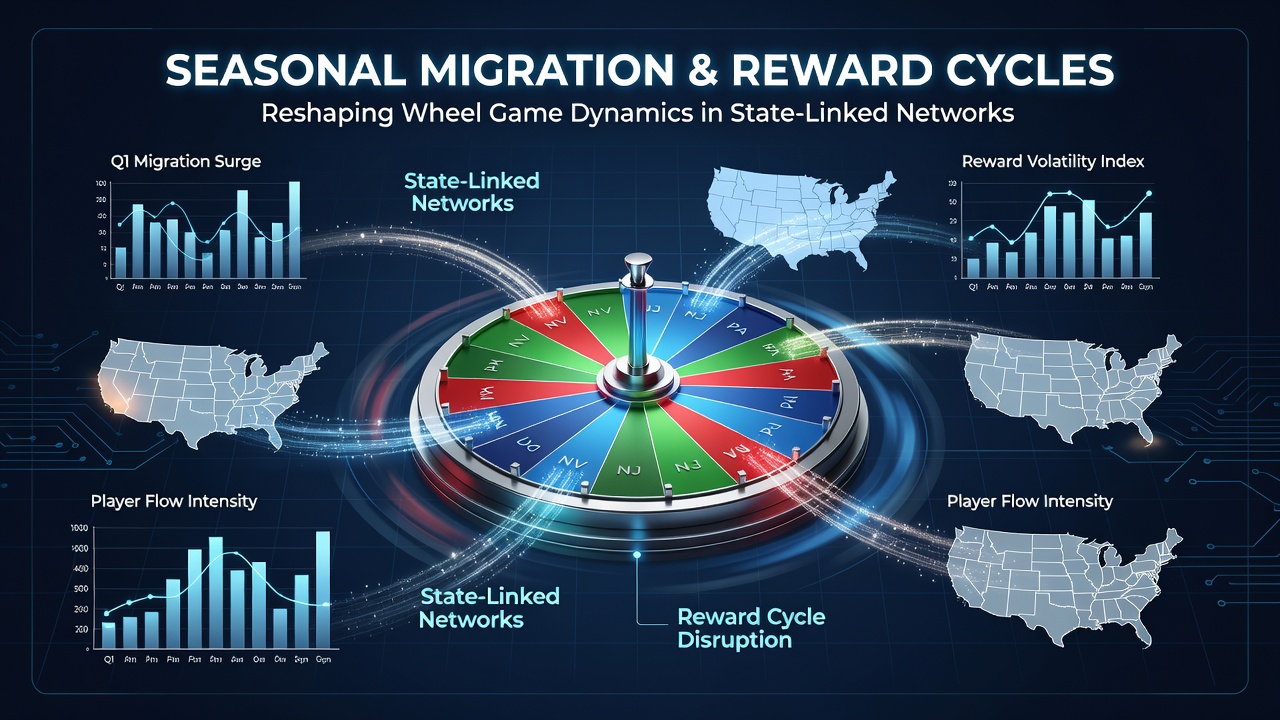
Seasonal Player Migration Reshaping Wheel Game Reward Cycles in America's State-Linked Gaming Networks
Data from interstate gaming compacts shows that player movement between states follows predictable seasonal patterns, and these shifts directly influence how wheel game rewards distribute across regulated platforms. States with established lottery and casino linkages report measurable changes in roulette participation rates as populations relocate for climate and economic reasons during different quarters of the year.
Understanding Interstate Player Flows
American Gaming Association reports document how residents of northern states often relocate southward during winter months, while reverse movements occur in summer periods when cooler climates attract visitors to gaming venues in places like Michigan and Pennsylvania. These patterns create temporary surges in active accounts within destination states, and reward algorithms adjust promotional cycles accordingly to maintain equilibrium across the network.
Regulatory data from the New Jersey Division of Gaming Enforcement indicates that roulette session volumes increase by notable percentages when out-of-state players register during peak migration windows. System operators respond by recalibrating bonus structures and loyalty point accrual rates so that reward distribution remains balanced despite fluctuating user bases in each jurisdiction.
Impact on Reward Cycle Mechanics
Wheel game reward cycles operate through interconnected state systems that share verification protocols, and seasonal influxes require adjustments to clearance timelines and promotional eligibility windows. When player counts spike in a receiving state, automated systems extend or compress reward periods to prevent over-allocation of credits within compact agreements.
Research from the University of Nevada's gaming studies division reveals that roulette variant preferences shift alongside migration, with players from certain regions favoring specific wheel configurations that carry different bonus utilization rates. Networks account for these preferences by modifying incentive layers during high-migration months to align with observed behavioral data.
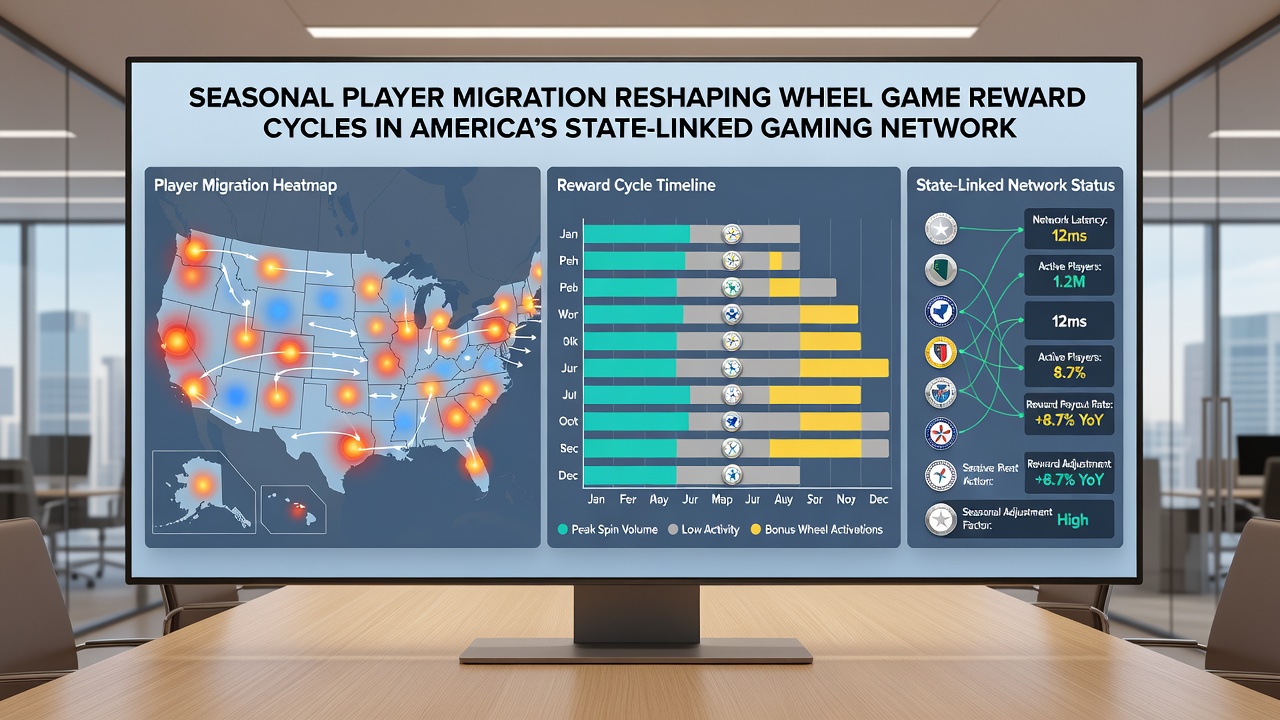
August 2026 Data Trends
Figures released in August 2026 from multi-state gaming oversight bodies highlight how summer migration patterns altered reward redemption rates in several key jurisdictions. Compact data sharing agreements allowed operators to track how returning players carried forward loyalty statuses, which in turn affected the timing of new promotional drops across connected platforms.
Those tracking device fingerprint patterns note that returning accounts often trigger different reward tiers compared to new registrations, and this distinction becomes pronounced when seasonal movements peak. Networks use this information to fine-tune daily return mechanics and cashback provisions so that total reward outflow stays within projected parameters for each quarter.
Technical Adjustments in State Networks
State-linked systems employ behavioral analytics to predict migration impacts weeks in advance, allowing preemptive modifications to roulette promotional calendars. When data indicates an impending influx, operators expand no-deposit style incentives or adjust wagering requirements to accommodate higher volumes without disrupting existing player cohorts.
Interstate verification protocols play a central role here, as they enable seamless transfer of player histories between jurisdictions. This continuity ensures that reward cycles do not reset abruptly when users cross state lines, maintaining engagement levels even as physical locations change.
Conclusion
Seasonal player migration continues to drive structural changes in how wheel game rewards circulate through America's fragmented yet interconnected gaming networks. Ongoing data collection from regulatory bodies and research institutions supports further refinement of these systems as migration patterns evolve alongside broader economic and demographic shifts.