Player Relocation Trends Reshaping Roulette Credit Distribution Across US State Lines
Ulrich Otto · Jun 30, 2026
Player Relocation Trends Reshaping Roulette Credit Distribution Across US State Lines
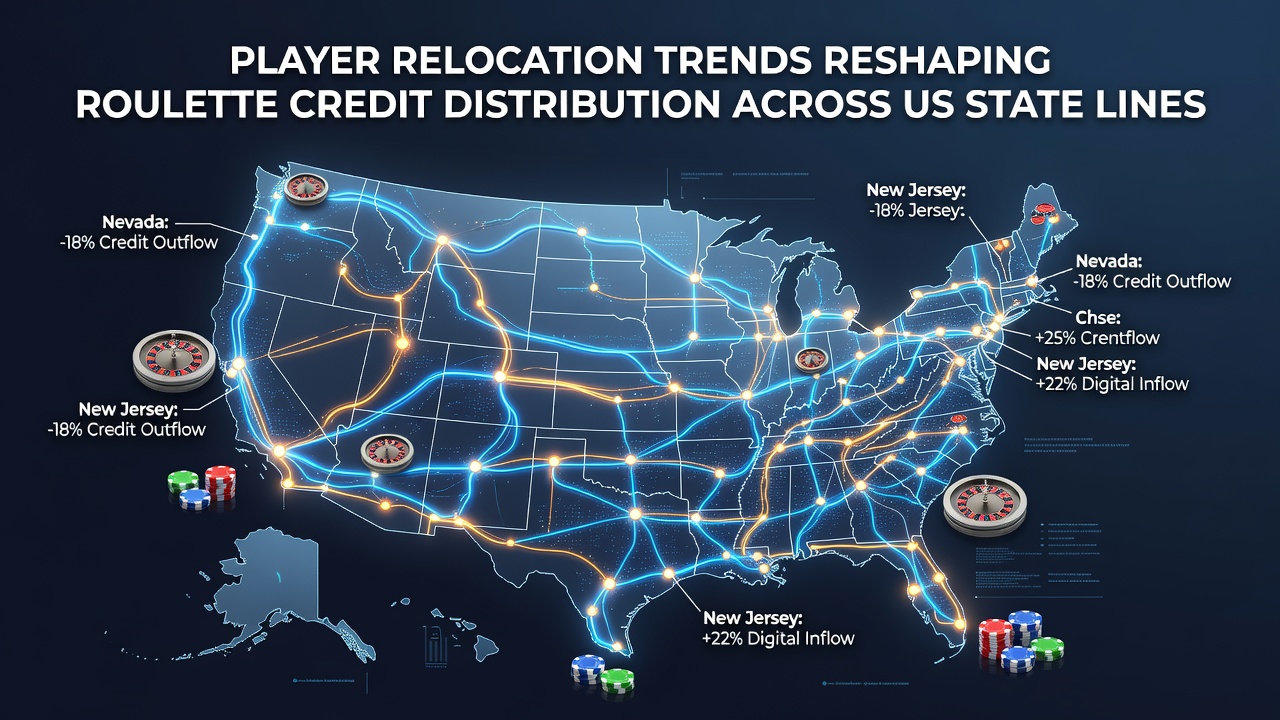
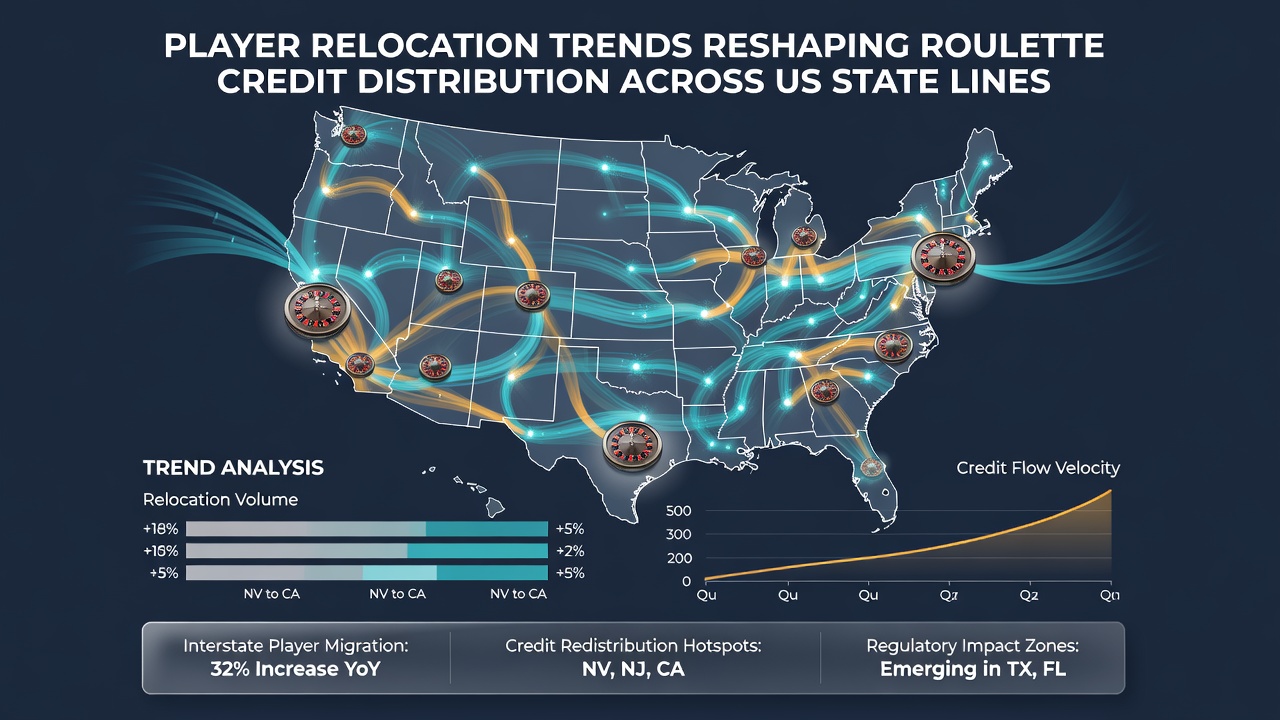
Player movement between states continues to influence how roulette credits reach users in regulated online markets, and data from multiple jurisdictions shows this pattern accelerating through 2026. States such as New Jersey, Pennsylvania, Michigan, and West Virginia maintain separate licensing frameworks, yet individuals frequently cross borders for work or residence, which triggers verification protocols that affect bonus eligibility and credit allocation. Interstate compacts remain limited, so operators must adjust distribution systems to match each location's rules while processing relocation data that arrives daily.
Shifting Residency Patterns and Verification Requirements
Recent figures from state regulatory filings indicate that thousands of account holders update their addresses each quarter, often because of employment transfers or housing changes that span regulated markets. When a player relocates from New Jersey to Pennsylvania, for instance, the same account must pass fresh geolocation checks and identity verification before any roulette credits can be issued under the new state's framework. The New Jersey Division of Gaming Enforcement maintains detailed logs of these address changes, and similar records exist in neighboring states where operators share limited data through secure channels.
Those who study these movements note that verification windows have shortened in several markets since 2024, which means credits sometimes remain frozen until documentation clears. In June 2026, multiple platforms reported processing spikes following corporate relocations tied to tech and finance sectors that crossed state lines, and the resulting delays highlighted gaps in automated address-matching systems.
Regulatory Filters Affecting Credit Flow
Each state applies its own set of restrictions on promotional credits, and relocation directly interacts with those rules. Pennsylvania requires operators to confirm residency within state borders before releasing certain roulette bonuses, whereas Michigan ties credit expiration to the date of the most recent address confirmation. When players move, the original credit terms often reset or convert according to the destination jurisdiction's standards, which creates administrative steps that platforms must handle before funds appear in player wallets.
Research compiled by the American Gaming Association shows that multi-state operators now allocate dedicated compliance teams to monitor address updates, because even small discrepancies can block credit activation for days. Operators that serve both New Jersey and West Virginia have documented cases where a single relocation event required re-issuance of credits under the new state's tax and reporting obligations.
Interstate Data Sharing and Platform Adjustments
Although full interstate compacts for iGaming remain rare, limited information exchanges occur between certain states to verify player status. Michigan and Pennsylvania have tested pilot programs that allow operators to confirm residency status without full data transfer, and these efforts affect how quickly roulette credits reach relocated users. Platforms respond by building modular bonus engines that can apply different rulesets based on the verified address at the moment of redemption.
Observers tracking these systems report that credit distribution now incorporates real-time address APIs tied to state databases, which reduces manual reviews but still requires human oversight when relocation crosses non-compact states. One documented example involved a player who moved from West Virginia to Michigan in early 2026; the platform automatically converted existing credits to meet Michigan's wagering requirements after the address update cleared.
Device and Location Data Influences
Device fingerprinting and IP tracking continue to play roles alongside address verification, because many operators cross-reference multiple signals before distributing credits. When a relocated player logs in from a new state, the system may flag the session until additional checks confirm the change is permanent rather than temporary travel. Studies from university research centers that examine gambling technology adoption have found that these layered checks add seconds to login flows yet prevent credit misallocation across jurisdictions.
Operators report that the combination of address records and device data produces more accurate distribution maps, especially during periods of high player movement such as summer relocation seasons. In June 2026, several platforms noted increased verification traffic coinciding with academic calendars and corporate fiscal-year transitions that prompted household moves.
Future Implications for Credit Distribution Models
As more states consider online gaming legalization, the volume of cross-border player movement is expected to rise, which will require further refinement of credit systems. Current models already segment bonuses by jurisdiction, yet operators continue to explore unified ledgers that can reassign credits without manual intervention when residency changes. Data from existing regulated markets suggests that automated conversion tools reduce processing times, although full implementation depends on expanded data-sharing agreements between states.
Those who analyze these trends emphasize that credit distribution remains tightly coupled to each state's regulatory calendar, so any new legalization timeline can shift allocation patterns for thousands of accounts simultaneously.
Conclusion
Player relocation trends have become a measurable factor in how roulette credits move through US state-regulated systems, with verification steps, data exchanges, and platform adjustments all responding to address changes. The patterns observed through mid-2026 demonstrate that operators and regulators alike continue to refine processes that keep credit distribution aligned with residency requirements across fragmented jurisdictions.