Payment Pathways Dictating Wheel Game Perk Clearance Windows Across America's State Gaming Grid
Otto Beck · Jul 31, 2026
Payment Pathways Dictating Wheel Game Perk Clearance Windows Across America's State Gaming Grid
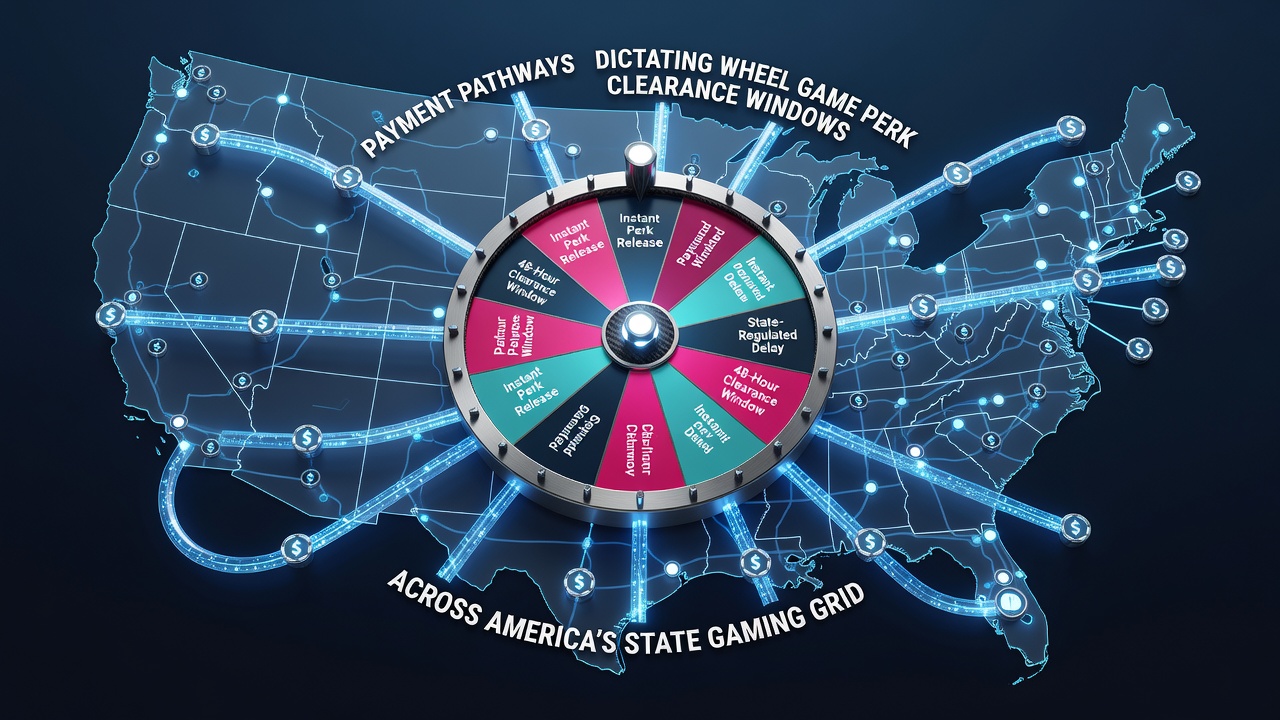
Payment methods shape how quickly roulette bonus perks clear in state-regulated markets because funding source verification times directly influence the start and end of promotional windows. Regulators in New Jersey, Pennsylvania, Michigan and other jurisdictions require operators to confirm deposits before bonus funds become playable, which creates staggered clearance periods based on the chosen pathway.
State Regulatory Frameworks and Funding Verification
Each state gaming commission sets its own rules for when a deposit counts as cleared, yet the actual timeline often hinges on the payment rail rather than the bonus terms alone. Bank transfers through ACH systems, for instance, typically trigger a three-to-five business day hold while operators await settlement confirmation from the originating bank, whereas credit card transactions clear within twenty-four to forty-eight hours once the issuing bank authorizes the charge. These differences mean players using slower rails encounter delayed access to wheel game perks even when the advertised bonus window remains fixed at thirty or sixty days.
Interstate Data Sharing and Clearance Synchronization
States participating in multi-jurisdictional compacts exchange player funding data in real time, which shortens verification for repeat depositors who move between markets. Pennsylvania and New Jersey systems share ACH confirmation files daily, allowing operators to apply prior clearance records to new bonus activations and reduce redundant holds. In contrast, Michigan's independent platform requires fresh verification for every deposit regardless of activity in neighboring states, extending effective clearance windows by several days when players switch pathways mid-session.
Electronic wallets add another layer because their internal settlement speed varies by provider. Some services release funds to operators within hours while others batch transfers overnight, pushing the official clearance timestamp later into the promotional period. July 2026 figures from the American Gaming Association show that e-wallet users in regulated markets experienced an average four-day reduction in usable bonus days compared with credit card users during the first half of the year.
Payment Rail Impact on Specific Jurisdictions
Operators licensed in Nevada tie bonus clearance directly to the moment funds post to the gaming account rather than the deposit initiation date, which favors faster rails such as debit cards and certain digital wallets. Players relying on traditional bank wires face an additional forty-eight-hour buffer before the thirty-day clearance clock begins, effectively shortening the window for completing roulette wagering requirements. Data shared through the Nevada Gaming Control Board portal indicates that wire transfer users completed bonus terms at rates twelve percent lower than card users over the twelve months ending June 2026.
Michigan's framework requires geolocation confirmation at the moment of deposit, which interacts with payment speed to create location-specific patterns. When a player funds via a slower ACH route from a border area, the operator must wait for both bank settlement and repeated geolocation checks, stretching the initial hold period and compressing the remaining clearance window. Industry reports compiled by the University of Nevada, Reno Gaming Research Center note that ACH-funded accounts in Michigan recorded average clearance delays of 3.7 days during Q2 2026, compared with 1.2 days for instant card deposits.
Emerging Patterns in Multi-State Networks
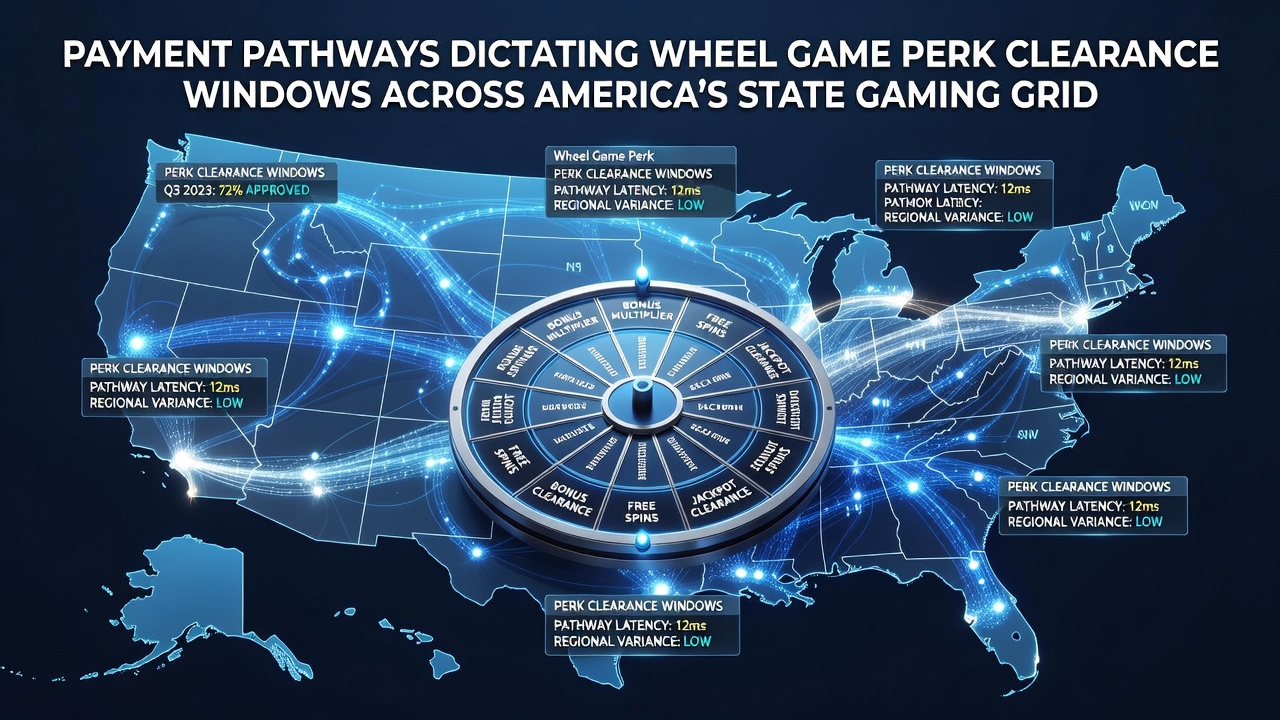
Operators operating across multiple states adjust bonus structures according to the dominant payment pathways observed in each market. In Pennsylvania, where a larger share of players use ACH transfers linked to local banks, several sites introduced staggered bonus activation that begins only after settlement confirmation, aligning the thirty-day clearance window with actual available playtime. Similar adjustments appeared in New Jersey after regulators published updated guidelines in early 2026 requiring operators to disclose the precise moment a deposit is considered cleared for promotional purposes.
Device fingerprinting and account linkage further influence clearance because returning players with verified funding histories often receive expedited processing on familiar payment rails. Those who switch pathways frequently encounter full verification cycles each time, which resets the effective start of the clearance window. Observers tracking redemption rates across state lines report that players maintaining consistent payment methods across jurisdictions complete bonus terms at higher rates because their clearance timelines remain predictable.
Conclusion
Payment pathways determine the practical length of roulette perk clearance windows because regulatory verification requirements interact directly with settlement speeds unique to each rail. States that share verification data reduce redundant holds for returning players, while independent systems extend timelines when slower funding methods are chosen. As multi-state networks expand, operators continue aligning bonus structures with the most common payment behaviors observed in each jurisdiction to maintain consistent clearance periods across America's gaming grid.