Payment Method Selections Shape Roulette Promotional Activation Timelines Across Licensed American Operators
Kai Keller · Jun 21, 2026
Payment Method Selections Shape Roulette Promotional Activation Timelines Across Licensed American Operators
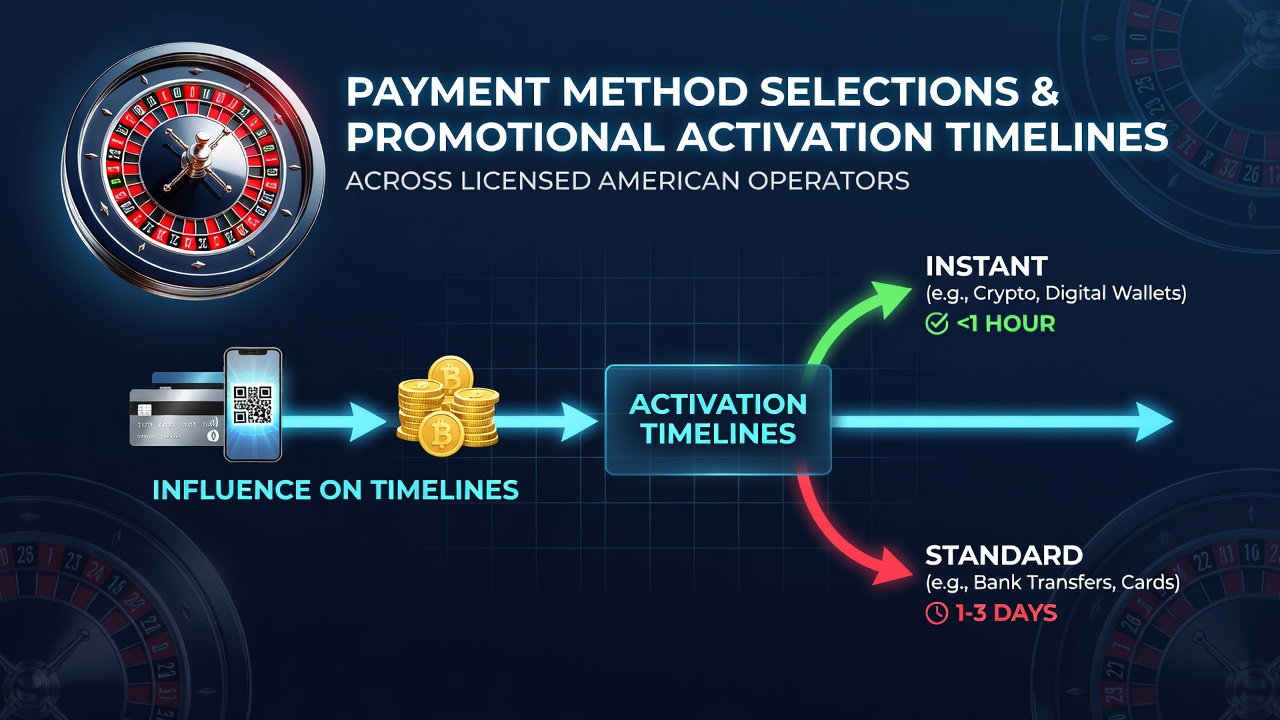
Payment processing pathways determine when roulette promotional credits reach player accounts at licensed operators in states like New Jersey, Pennsylvania, and Michigan, and these pathways vary by method while regulatory frameworks set baseline verification standards that all platforms must meet. Observers note that credit card deposits often trigger faster activation sequences than bank wire options because automated systems flag fewer compliance checks for established card networks, whereas ACH transfers require additional settlement periods that extend timelines by several hours or even full business days depending on the operator's banking partners.
State-Level Regulatory Influences on Processing Speeds
Regulators in different jurisdictions impose distinct reporting requirements that interact with payment rails, so platforms operating across multiple states adjust their internal workflows accordingly. Data from the New Jersey Division of Gaming Enforcement shows that electronic wallet deposits receive promotional credits within minutes during peak hours, yet the same operators apply extended review queues for cryptocurrency transactions to align with evolving custody rules. Those who've tracked these patterns across 2025 and into June 2026 report that Michigan's framework demands real-time transaction logging for all methods, which compresses activation windows when users select debit cards but stretches them when prepaid vouchers enter the system because manual reconciliation steps remain mandatory.
Payment Type Mechanics and Timeline Differences
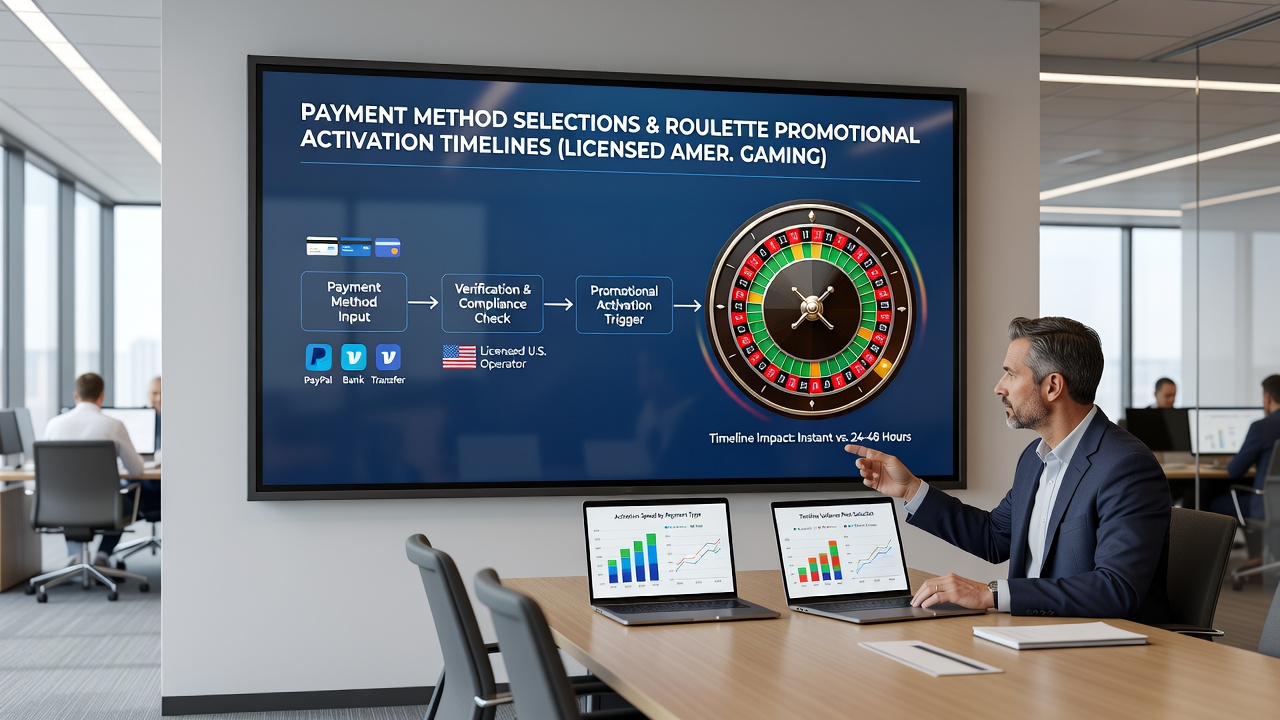
Each payment category carries inherent settlement characteristics that licensed platforms map directly to bonus release protocols, and this mapping produces measurable differences in how quickly roulette offers become playable. Credit and debit card selections typically clear automated fraud filters within 15 to 45 minutes, allowing promotional codes to apply immediately, while e-wallet choices like PayPal or Skrill often bypass some layers but still route through operator-specific risk engines that add 10 to 30 minutes under high-volume conditions. Bank transfers and certain regional processors introduce longer cycles because funds must post to the operator's account before promotional systems unlock, a step that can stretch from same-day to next-business-day activation depending on cut-off times. Researchers at the University of Nevada's gaming studies program have documented these variances through transaction logs supplied by cooperating operators, revealing that debit card users experience the shortest average delays while wire users face the most extended windows.
Operator-Specific Implementation Patterns
Licensed platforms configure their promotional engines around the payment rails they support, which means identical deposit methods can produce different activation speeds at competing sites even within the same regulatory environment. One operator might prioritize instant credit for all Visa transactions tied to roulette welcome offers, yet another applies an extra security layer during evening hours that delays the same method by up to two hours. Those monitoring June 2026 activity across Pennsylvania and New Jersey note that loyalty program members sometimes receive expedited processing regardless of method because historical play data reduces the need for additional verification, a practice that effectively creates tiered timelines based on account status rather than payment alone.
Data Trends from Mid-2026 Reporting Periods
Aggregated transaction records compiled through interstate compact data exchanges indicate that payment method selection accounts for roughly 35 to 40 percent of variance in promotional activation times during the first half of 2026. Electronic wallet deposits consistently post the lowest median delays across regulated markets, while traditional bank methods show the widest spread because weekend and holiday cutoffs extend settlement further. Figures released by the American Gaming Association highlight that operators integrating real-time banking APIs have narrowed these gaps, yet legacy systems still dominate in certain jurisdictions and maintain longer windows for non-card deposits. Players who switch between methods within a single session often observe that the initial deposit method locks the promotional timeline, even if subsequent deposits use faster rails.
Conclusion
Payment method selections continue to intersect with state regulations and operator systems to set distinct activation schedules for roulette promotions at licensed American sites, and these intersections produce predictable patterns that players encounter across New Jersey, Pennsylvania, Michigan, and emerging markets. Continued adoption of faster banking technologies may compress some of the current differences, yet the fundamental relationship between chosen rails and promotional release times remains embedded in platform architecture and regulatory compliance structures.