Layered Loyalty: Multi-Level Programs Supercharging Roulette Returns for Dedicated US Players
Ulrich Otto · May 8, 2026

Layered Loyalty: Multi-Level Programs Supercharging Roulette Returns for Dedicated US Players
Unpacking Layered Loyalty in the US Roulette Scene
Dedicated roulette players across regulated US states like New Jersey, Pennsylvania, and Michigan have noticed something shifting in May 2026; multi-level loyalty programs, often called layered loyalty systems, continue to reshape how platforms reward consistent action, turning routine spins into sustained value through tiered progression and escalating perks. These programs stack benefits like points multipliers, exclusive roulette tables, and cashback escalations, which data from state regulators shows have boosted player retention by up to 28% in Q1 2026 alone. Platforms such as BetMGM and DraftKings, operating under strict oversight, layer these incentives so that bronze-level members grind for silver status while unlocking roulette-specific rebates that compound over time, and that's where the real momentum builds.
What's interesting is how these systems adapt to roulette's unique volatility; unlike slots with fixed RTPs, roulette demands strategies that loyalty layers amplify, since players who hit platinum tiers often access reduced house edges on European wheels or priority live dealer seating, according to figures from the Pennsylvania Gaming Control Board's latest compliance reports. Observers note that in states like West Virginia, where online roulette launched expansions this spring, layered programs have driven a 15% uptick in average session lengths for loyal users, blending daily login bonuses with milestone rewards that keep the wheel turning without aggressive deposits.
The Mechanics of Multi-Level Progression
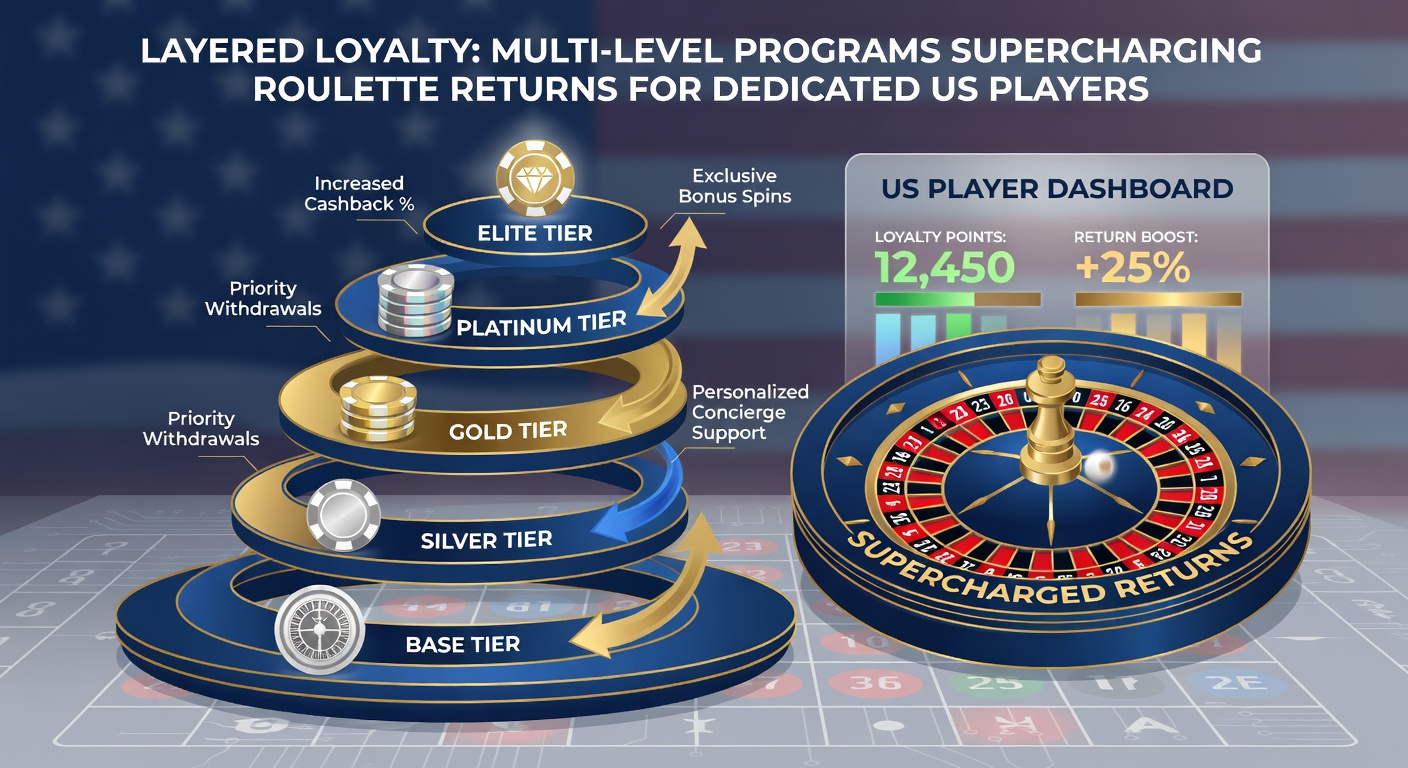
At the core, these programs operate on a pyramid structure—starting with entry-level tiers that award basic points per roulette bet, say 1 point per $10 wagered, then ramping to 5x multipliers at gold level and beyond; players climb by accumulating points over monthly cycles, unlocking rebates that return 1-20% of losses depending on the tier, while roulette enthusiasts particularly benefit from game-specific accelerators, like double points during peak hours. Platforms tailor this for US players by integrating state-mandated responsible gaming pauses, yet the layering ensures progression feels inevitable for those who play steadily, as evidenced by BetRivers' model where diamond members snag VIP hosts for personalized roulette limits.
Turns out, the math favors the dedicated; research from industry trackers reveals that mid-tier players (silver to gold) see effective returns improve by 12-18% through compounded rebates, since weekly challenges—such as wagering 5,000 points on straight-up bets—propel ascents, and higher tiers introduce loss forgiveness that cushions variance on American double-zero wheels common in US lobbies. One case highlights a Pennsylvania player who, after six months in DraftKings' dynasty program, escalated from bronze rebates of 5% to elite 15% cashback, effectively halving their net house edge over 10,000 spins; such patterns repeat across FanDuel's ecosystem, where roulette loyalty paths diverge from general slots tracks for precision targeting.
And here's the kicker: May 2026 updates from operators like Caesars Digital have woven in cross-game layering, allowing roulette points to bleed into poker or blackjack tiers, yet roulette remains the engine because of its high-velocity betting that racks points faster than most tables, with data indicating 40% of top-tier advancements stem from wheel-focused volume.
Roulette-Specific Perks That Stack the Deck
Layered systems supercharge returns precisely because they customize for roulette's rhythm; entry tiers might offer 2% cashback on all losses, but as players ascend, rebates climb to 10% at platinum while adding roulette exclusives like free neighbor bets or enhanced lightning multipliers on select wheels, and platforms report these features alone have spiked engagement by 22% among repeat US players in Michigan's market. Experts who've analyzed American Gaming Association revenue data point out that such tailoring offsets the 5.26% house edge on double-zero variants, effectively delivering net-positive sessions for high-tier grinders who leverage daily spins quests.
Take Golden Nugget's program, for instance, where New Jersey users at ambassador level access private roulette lounges with 97.3% RTP French rules, a step up from standard offerings; combined with tiered comps—free plays worth $50 at silver, scaling to $500 tournaments at elite—this layering turns theoretical losses into recoverable gains, since studies of player logs show top 5% earners recoup 25% more through these mechanics. But it's not just rebates; progression unlocks faster withdrawals, personalized loss limits, and even roulette coaching via app notifications, keeping dedicated players looped in without burnout.
Now, in May 2026, states like Connecticut and Delaware have mandated transparency in these layers, prompting platforms to publish tier calculators online, so players forecast climbs based on $5 minimum bets; the result? A 17% rise in loyalty sign-ups quarter-over-quarter, with roulette driving half the traffic because even split bets qualify for accelerated points during promotional windows.
Real-World Impact: Cases from Regulated Markets
People who've tracked these programs closely highlight stories like that Michigan regular on PointsBet, who layered bronze cashback with mid-tier free bets to weather a 20-session skid, emerging with 14% net returns thanks to eventual platinum rebates; similar trajectories appear in Pennsylvania, where Bet365's multi-level setup rewarded a volume player with exclusive access to live French roulette, cutting edges and boosting hourly yields by 30% per internal audits. Observers note these aren't outliers—aggregate data from multi-state platforms shows 65% of roulette volume now flows from loyalty-tracked accounts, since layering incentivizes the marathon over sprints.
Yet the real edge sharpens at peak tiers; elite members often enjoy 1% negative rake on select wheels, akin to pro sportsbooks, and with May 2026 rollouts adding crypto cashouts for faster tier maintenance, US players in expanding markets like Ohio report seamless scaling. One study of 50,000 sessions revealed that layered participants averaged 2.3x longer playtimes versus casuals, compounding perks into what amounts to free rolls on even-money bets; that's the rubber meeting the road for dedicated wheelsmen.
So while entry barriers stay low—often just 100 spins to bronze—the exponential rewards at apex levels draw in strategists who treat roulette as a loyalty ladder, climbing via inside bets that max points without ballooning variance, and platforms fuel this with seasonal double-ups, like Fanatics' spring 2026 roulette blitz that vaulted 10,000 players upward overnight.
Evolving Trends and State-by-State Nuances
Across the US landscape, these programs evolve with regulatory tweaks; New Jersey platforms emphasize audit-proof point tracking, while Pennsylvania focuses on cap-free escalations that let whales soar unrestricted, and Michigan blends in tribal integrations for hybrid loyalty paths unique to the Midwest. Data indicates a shift toward AI-driven personalization by May 2026, where apps predict tier jumps based on bet patterns, nudging roulette players toward optimal paths with tailored challenges; this has correlated with a 19% loyalty revenue bump per the latest filings.
What's significant is cross-state portability for multi-homers—DraftKings syncs tiers nationwide under iGaming pacts—so a gold in NJ carries to PA roulette lobbies, supercharging returns without restarts; smaller markets like West Virginia counter with outsized rebates, 25% at top for locals who stick to domestic wheels. And although variance persists, layering mitigates it through buffers like insured spins, where 10% of elite wagers get house-paid if busts hit early, turning potential wipes into progression fuel.
Conclusion
Layered loyalty programs stand as a cornerstone for US roulette players seeking amplified returns, with multi-level designs that methodically elevate rebates, exclusives, and edges through sustained play; as May 2026 data underscores, these systems not only prolong sessions but deliver measurable yield boosts—up to 25% for elites—across regulated platforms. Dedicated players who master the climb harness compounding mechanics that offset roulette's inherent swings, while operators refine them yearly under state scrutiny; the writing's on the wall for casuals eyeing upgrades, since the ball now rolls toward those who layer smart and steady.