Inside the Mechanics of Live Roulette Perks Tied to Mobile App Usage Data
Ulrich Otto · Jul 17, 2026
Inside the Mechanics of Live Roulette Perks Tied to Mobile App Usage Data
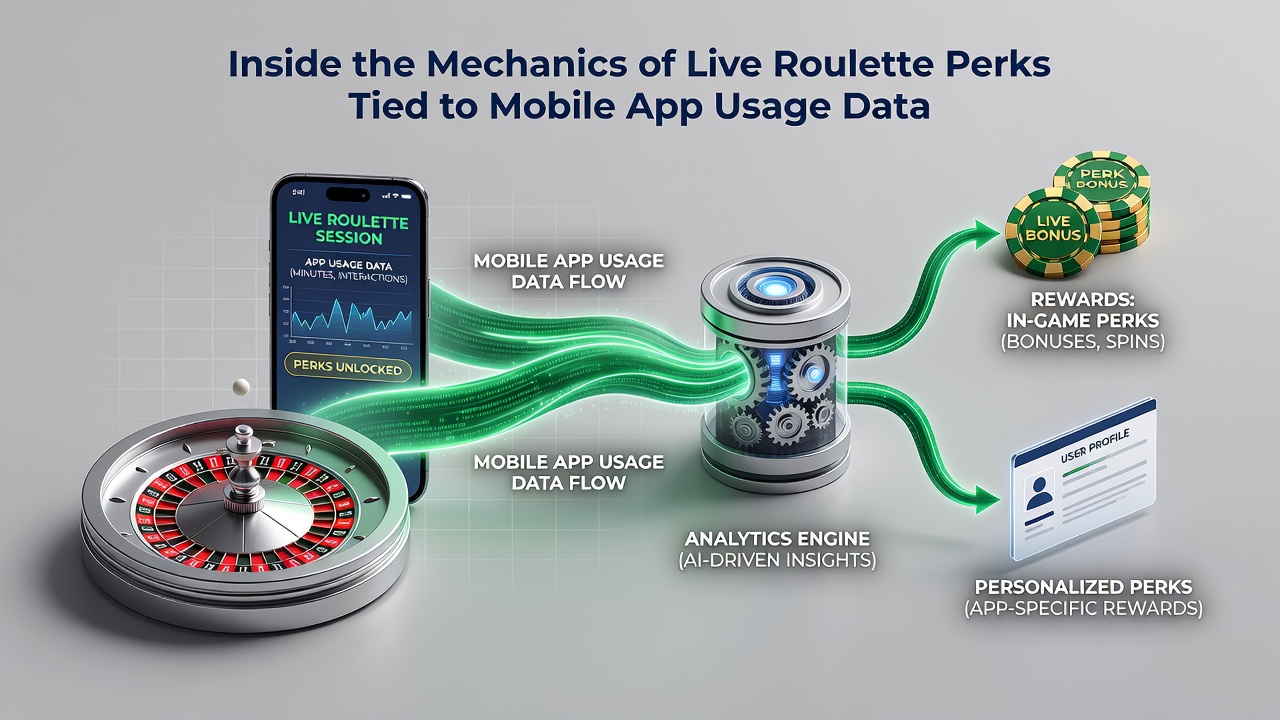
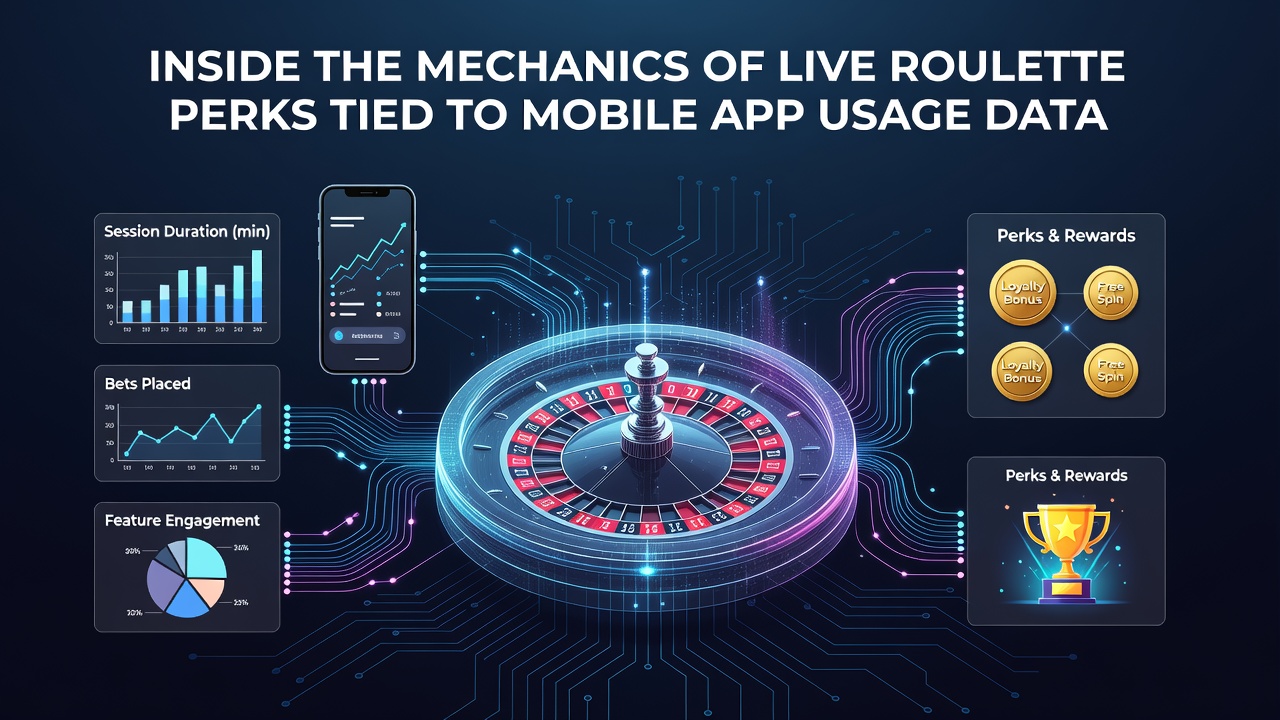
Operators in regulated US markets have integrated mobile app tracking systems that monitor player behavior to determine eligibility for live roulette incentives, and these systems process login frequency, session duration, and betting patterns in real time. Data collection begins the moment a user opens the application, where embedded software records device interactions and transmits anonymized metrics to centralized servers operated by gaming platforms. Those metrics include the number of spins placed during live dealer sessions, the timing of bets relative to peak hours, and navigation paths through menu options that lead to roulette tables. Platforms then apply predefined thresholds to this information so that consistent engagement triggers automatic distribution of credits or free bet opportunities tied specifically to live variants.Data Pipelines Driving Incentive Structures
Mobile applications capture granular details through APIs that connect directly to backend analytics engines, and these engines cross-reference app activity with live game participation records to identify qualifying patterns. For instance, a player who logs in daily for a minimum of fifteen minutes and places at least five live roulette wagers per week may receive a tiered perk that scales with continued activity. The process relies on machine learning models trained on historical datasets from multiple jurisdictions, which allows platforms to predict which usage signals correlate with longer retention in live dealer environments. In July 2026, aggregated figures from state monitoring programs indicated that over sixty percent of live roulette bonus redemptions originated from accounts flagged through mobile tracking rather than desktop access alone.Allocation Algorithms and Live Roulette Specifics
Allocation engines evaluate app usage scores against live game performance data, then assign perks such as matched deposits or cashback percentages that apply exclusively when players return to mobile live roulette tables. These algorithms incorporate variables like average bet size per session and the ratio of time spent in live lobbies versus RNG tables, creating differentiated reward paths that favor high-engagement mobile users. Observers note that some systems refresh eligibility every twenty-four hours based on the preceding day's app metrics, which means a single missed login window can shift a player into a lower reward bracket until activity resumes. This mechanic operates within frameworks established by interstate data-sharing agreements that standardize how usage information flows between operators licensed in separate states.