How Mobile App Features Influence Roulette Bonus Claim Rates Across US Jurisdictions
Ulrich Wolf · Aug 21, 2026
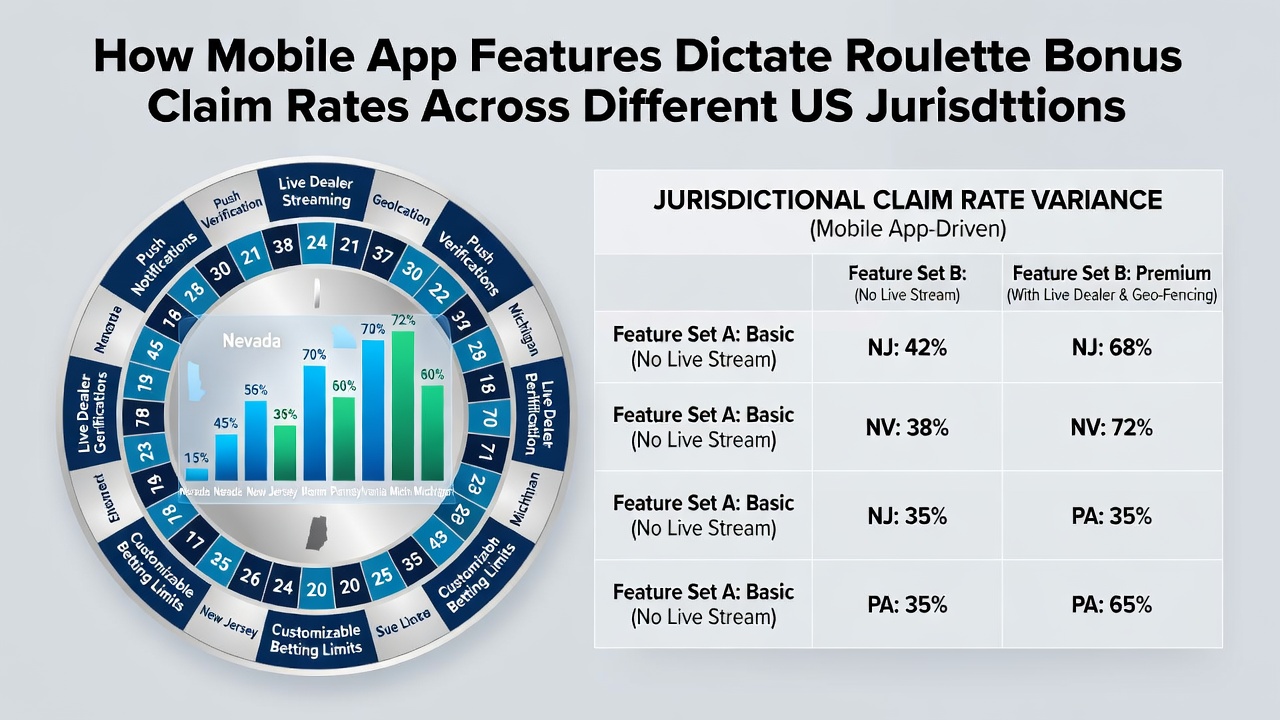
How Mobile App Features Influence Roulette Bonus Claim Rates Across US Jurisdictions
State-regulated online casinos have expanded rapidly since the first legal launches, and mobile applications now handle the majority of roulette bonus redemptions in active jurisdictions such as New Jersey, Pennsylvania, Michigan, and West Virginia. Platform developers adjust features like geolocation verification, push notification systems, and integrated wallet functions to match each state's technical and compliance rules, which in turn shapes how often players complete the steps needed to claim and clear roulette bonuses.
Geolocation and Registration Tools in Different States
Geolocation services must meet precise accuracy thresholds set by individual gaming commissions, and these requirements vary enough to affect claim completion times. In New Jersey, operators rely on multi-source location checks that combine GPS, Wi-Fi, and IP data, while Pennsylvania platforms sometimes allow broader location tolerances during initial registration. Researchers tracking user behavior in 2025 noted that smoother geolocation flows in certain apps correlated with higher first-day bonus activations, particularly when players moved between home and work networks during evening hours.
Registration flows also differ. Michigan apps frequently embed identity verification inside the bonus claim screen, whereas West Virginia platforms keep the process in a separate menu. Data collected through interstate compact reports shows that single-screen verification steps reduce drop-off rates during the claim sequence by measurable percentages, although exact figures depend on the app version deployed in each state.
Notification Systems and In-App Wallet Integration
Push notifications that alert users to time-limited roulette offers appear at different frequencies across jurisdictions because of varying marketing guidelines. Platforms in Pennsylvania send reminders only after a player has deposited once, while New Jersey apps often trigger notifications immediately upon account creation. Observers note that timing these alerts within 24 hours of a new deposit increases the likelihood that users will open the bonus terms and accept the offer before it expires.
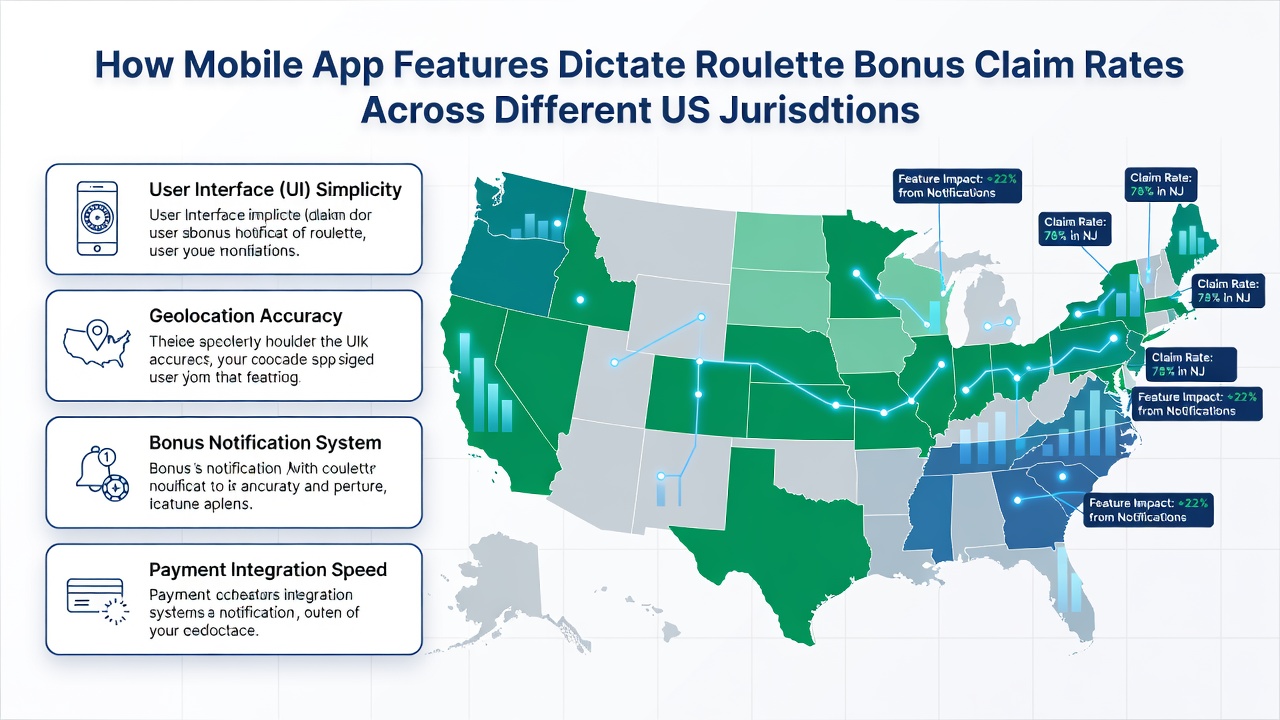
Wallet integration further influences claim rates. Apps that allow instant transfers from linked bank accounts or digital wallets complete the funding step inside the same flow used to accept a bonus. Michigan operators introduced one-tap funding options in early 2026, and subsequent monthly reports indicated faster progression from bonus acceptance to active play. In contrast, states that still require external browser redirects for deposits see longer intervals between claim initiation and first spin.
Device-Specific Features and User Patterns as of August 2026
Screen size, biometric login, and offline caching capabilities also play roles. Larger tablet interfaces in Pennsylvania and New Jersey display full bonus terms without scrolling, which reduces the chance that users abandon the claim before reading requirements. Biometric authentication speeds re-entry for returning players, and apps that store cached game assets allow quicker loading of roulette tables once a bonus is active.
August 2026 figures released by state regulators show continued growth in mobile bonus claims compared with desktop access, with the largest increases occurring in states that updated their geolocation and notification APIs during the first half of the year. These updates aligned app performance more closely with player movement patterns and notification preferences observed in prior quarters.
Interstate Data Sharing and Compliance Adjustments
Compacts among states permit limited sharing of player location and transaction data, which helps operators refine app features without violating individual jurisdiction rules. When a user crosses state lines, the app must switch compliance modes automatically, and seamless transitions depend on pre-loaded regulatory profiles. Platforms that maintain accurate profiles for every active state experience fewer interrupted claim processes at borders.
Industry reports from the American Gaming Association highlight that operators investing in unified compliance engines across multiple states record steadier redemption volumes, because the same code base can adapt to each location's technical mandates without forcing users through repeated verification steps.
Conclusion
Mobile app architecture directly affects the number of successful roulette bonus claims because features such as geolocation precision, notification timing, wallet integration, and biometric access must satisfy distinct state requirements. Jurisdictions that permit streamlined flows see higher completion percentages, while those with more segmented processes record measurable drop-offs at each additional screen. As more states enter the regulated market, app developers continue to adjust these elements to maintain consistent claim rates across expanding geographic boundaries.