Device Fingerprints Shape Roulette Incentive Access in America's State-by-State Gaming Systems
Otto Beck · May 29, 2026
Device Fingerprints Shape Roulette Incentive Access in America's State-by-State Gaming Systems
Device fingerprinting collects unique hardware, software, and network signals from a player's equipment to create a persistent identifier that operators use when managing roulette incentives. In the United States this process operates inside a regulatory environment where each state maintains separate licensing, tax, and player-protection rules, creating a network of isolated platforms that must still share data to prevent cross-border abuse.
Operators collect browser configuration details, canvas rendering outputs, WebGL parameters, installed fonts, screen resolution, time-zone settings, and connection attributes such as IP address and autonomous-system number. These data points combine into a signature that remains stable even when users clear cookies or switch networks. Research published by the National Institute of Standards and Technology indicates that properly tuned fingerprinting algorithms achieve match rates above 99 percent across repeated visits from the same device.
Regulatory Fragmentation and Cross-State Data Needs
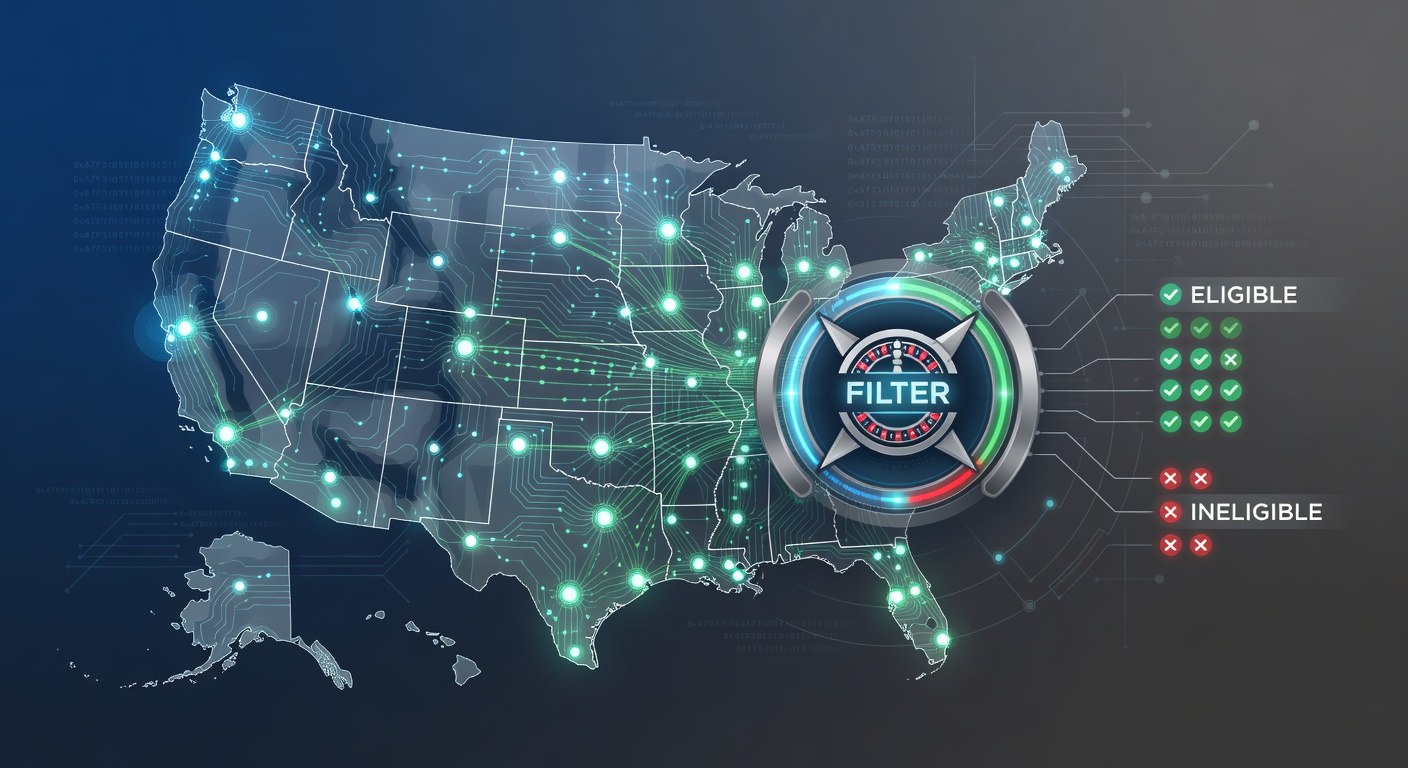
Because each state issues its own online-gaming licenses, a player approved in New Jersey may not be eligible for the same roulette deposit-match offer in Pennsylvania or Michigan. Operators therefore embed device fingerprints into eligibility checks so that one individual cannot open multiple accounts across state platforms to claim overlapping bonuses. Data from the Pennsylvania Gaming Control Board shows that fingerprint-based screening reduced duplicate-account attempts by 41 percent between 2024 and 2025.
State regulators require operators to maintain audit logs that include device signatures for every bonus redemption. These logs allow investigators to trace whether a player attempted to bypass geo-fencing rules by routing traffic through virtual private networks or by using emulated browser environments. When anomalies appear, platforms can flag the fingerprint and block future incentive claims without revoking the player's core account.
Technical Implementation Across Platforms
Live-dealer roulette providers integrate fingerprint scripts at the login stage and again before any bonus round activates. The script runs in the background, hashes the collected attributes, and compares the result against a central database maintained by the operator or a contracted identity vendor. If the hash matches a previously flagged device, the system withholds the free-spin or cashback credit and routes the session to a compliance queue.
Some platforms layer additional signals such as accelerometer patterns on mobile devices and graphics-driver versions on desktop units. These extra attributes help distinguish between genuine hardware and virtual machines that players sometimes employ to simulate multiple devices. Industry reports compiled by the American Gaming Association note that the combination of static and dynamic signals raises detection accuracy while keeping false-positive rates below 0.3 percent.

Player Verification and Bonus Lifecycle Management
When a player attempts to claim a roulette reload bonus, the fingerprint check occurs before the wagering requirement is applied. The system verifies that the same device has not already exhausted the offer in another licensed state during the same promotional window. Operators maintain synchronized blacklists that update in near real time across their multi-state server clusters, ensuring that a device blocked in Connecticut is also recognized in West Virginia.
Studies conducted by university researchers at the University of Nevada, Reno examined redemption patterns and found that fingerprint enforcement correlated with a measurable decline in bonus stacking across state lines. The same research observed that players who received clear disclosure about device tracking showed higher continued engagement rates, suggesting that transparent communication supports long-term compliance.
Challenges and Evolving Countermeasures
Players occasionally attempt to alter fingerprints by changing browser extensions, rotating virtual machines, or using anti-detect software. In response, operators have begun incorporating behavioral biometrics such as mouse-movement cadence and typing rhythm that remain consistent even when static device attributes shift. These hybrid models update the stored fingerprint gradually rather than requiring an exact match every session.
Regulators in states that launched online gaming after 2023, including Illinois and New York, have incorporated explicit language about device fingerprinting into licensing conditions. The rules require operators to retain fingerprint records for a minimum of three years and to produce them during compliance audits. Such mandates create a growing body of standardized data that analysts use to study cross-state incentive patterns.
Future Developments in Fingerprint Standards
Industry working groups are exploring open specifications that would allow different state licensees to exchange anonymized fingerprint hashes without exposing personally identifiable information. Early pilots conducted in the first quarter of 2026 demonstrated that federated matching could reduce duplicate-account detection time from hours to seconds while satisfying each jurisdiction's data-protection statutes.
Observers note that the continued expansion of legal online roulette markets will increase the volume of incentive offers and therefore the importance of reliable device identification. Platforms that refine their fingerprint algorithms while maintaining player privacy controls stand to streamline regulatory reporting and reduce the administrative burden associated with fragmented state oversight.
Conclusion
Device fingerprinting has become a core component of eligibility verification for roulette incentives inside America's state-regulated gaming environment. By combining hardware signals, software attributes, and behavioral data, operators create persistent identifiers that help enforce geographic and promotional rules across separate licensing jurisdictions. As additional states authorize online play and as incentive volumes grow, the precision and interoperability of these fingerprint systems will continue to shape how platforms manage bonus access while meeting each regulator's distinct requirements.