Charting Roulette Incentive Lifecycles Through Regulatory Filters in Expanding American Markets
Olivia Neumann · May 22, 2026
Charting Roulette Incentive Lifecycles Through Regulatory Filters in Expanding American Markets
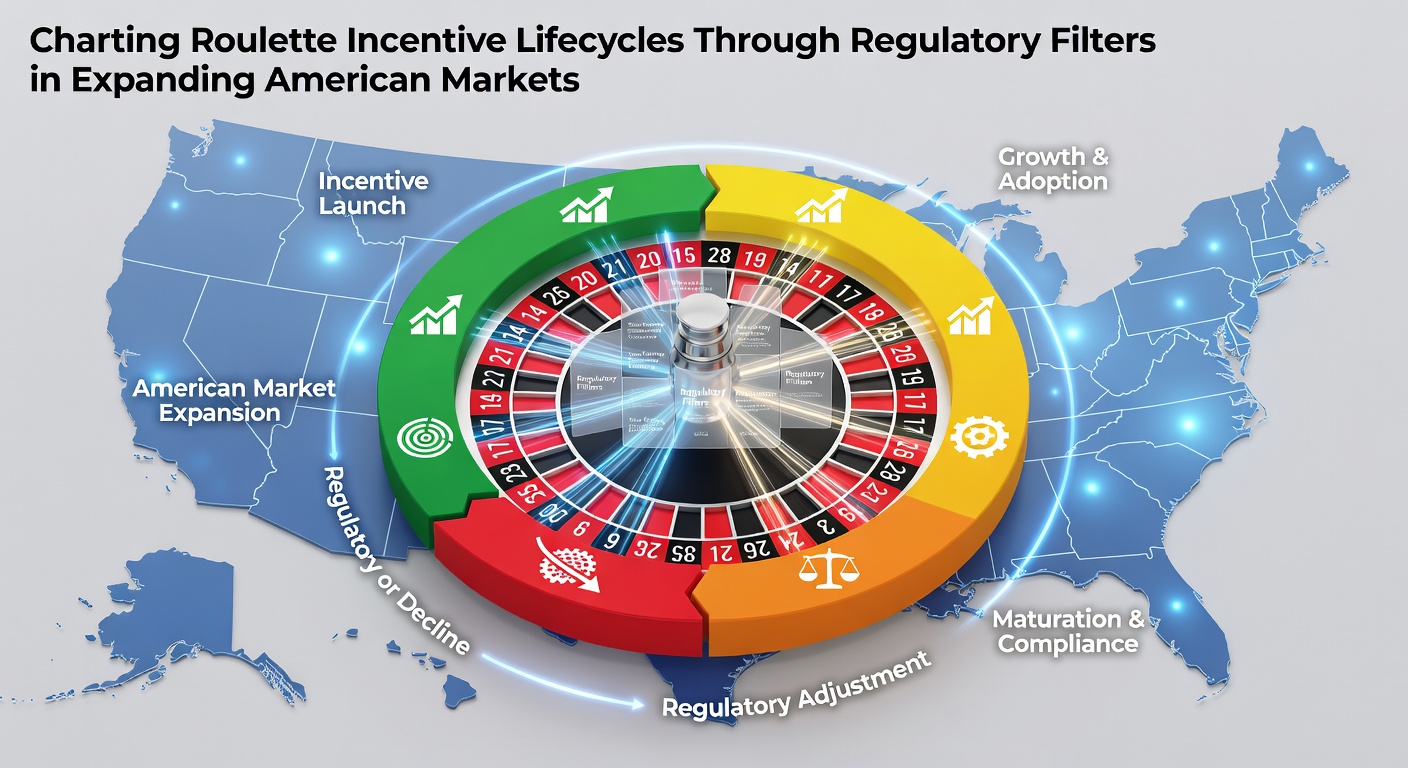
American gaming markets continue to expand in 2026 as more states finalize frameworks for online roulette and related digital offerings, and incentive programs for players move through distinct lifecycles shaped by layered regulatory requirements. Observers note that each stage of an incentive, from initial design to player redemption and eventual sunset, encounters specific filters that vary by jurisdiction and evolve with new legislation or enforcement actions. Data from state gaming agencies shows that operators must align bonus structures with rules on wagering contributions, maximum payouts, and geographic eligibility before any promotion reaches the market.
Defining the Lifecycle Stages of Roulette Incentives
Incentive programs for roulette typically progress through creation, approval, active deployment, player interaction, and compliance review phases, while regulators in active states impose documentation and audit trails at multiple checkpoints. Researchers have documented how early-stage planning incorporates state-specific caps on bonus percentages and playthrough multipliers, which prevents later adjustments once approvals are granted. And operators often adjust roulette-specific incentives to meet requirements on game weighting, since regulators classify live dealer variants differently from random number generator versions in several markets.
What's interesting is the way mid-lifecycle modifications occur when new rules emerge, such as updated responsible gaming mandates that affect how free spins or deposit matches appear in player accounts. Figures from expanding jurisdictions reveal that roughly 60 percent of roulette promotions undergo at least one revision within the first 90 days of launch to satisfy fresh compliance checks.
Regulatory Filters in Key Expanding Markets
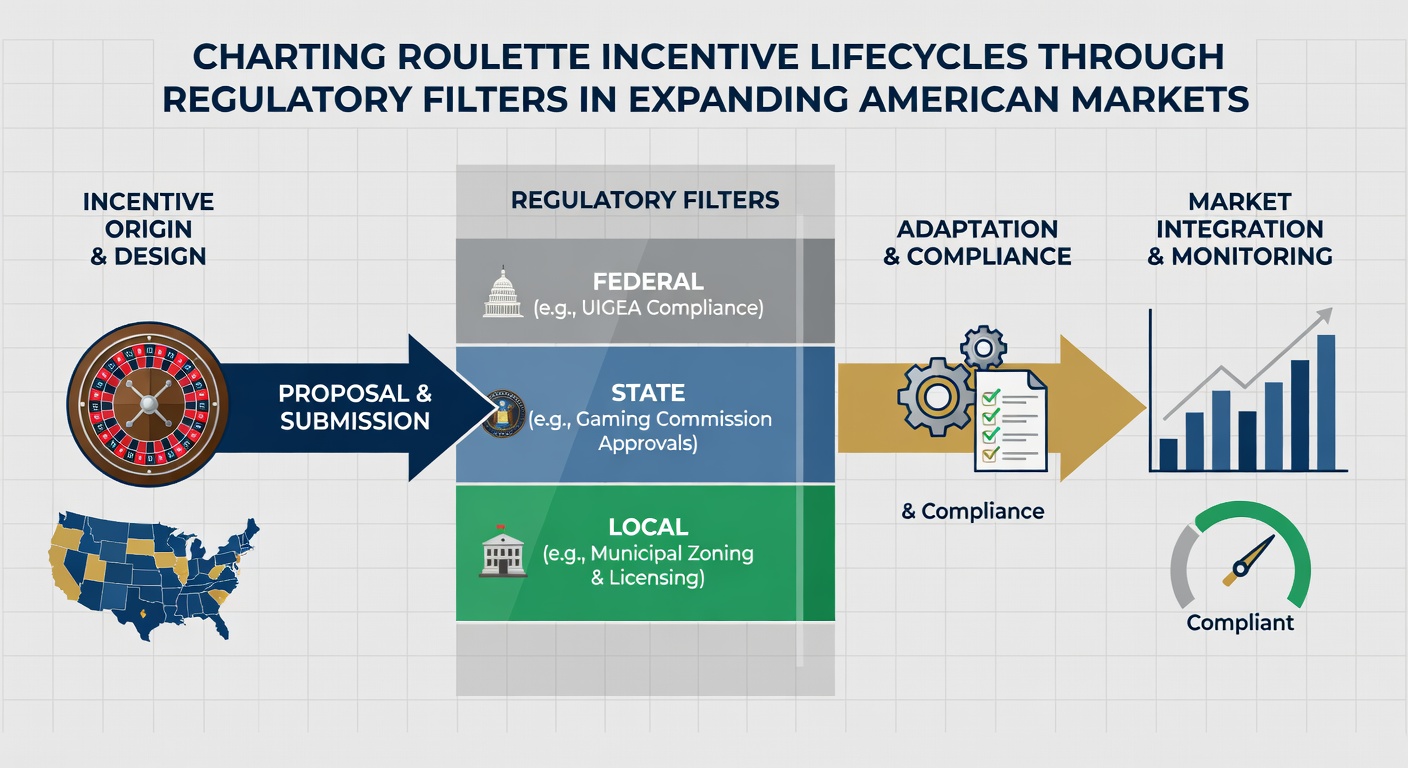
States entering the online gaming space apply distinct filters that alter incentive trajectories compared with established markets. In regions where legalization occurred after 2023, authorities require pre-launch submission of full promotional calendars along with mathematical models demonstrating fair distribution of roulette bonuses. This process extends the creation phase and introduces delays that operators must factor into revenue projections.
Take the example of one operator who adjusted its multi-state roulette loyalty tiers after Michigan and Pennsylvania updated cross-border play rules in early 2026, which forced recalibration of player segmentation data. Similar adjustments appear in markets preparing for May 2026 expansions, where pending legislation proposes tighter controls on no-deposit offers tied to roulette sessions.
Data Patterns Across Jurisdictions
Studies compiled by industry research groups indicate that redemption rates for roulette incentives drop when regulatory filters add extra verification steps, such as location-based geofencing updates or enhanced identity checks. According to reports from the Michigan Gaming Control Board, operators in that state recorded a 12 percent reduction in active bonus utilization after implementing new daily loss-limit integrations during the first quarter of 2026. Those who studied these trends note that incentives tied to live roulette often face stricter scrutiny because regulators associate higher session lengths with elevated responsible gaming risks.
But here's the thing: markets that coordinate rules across neighboring states see smoother incentive lifecycles, since operators can reuse approved templates rather than rebuilding campaigns from scratch. Evidence from multi-state networks shows faster deployment cycles when shared regulatory language covers bonus contribution percentages and maximum cashout limits for roulette play.
Impact of May 2026 Developments
Regulatory activity scheduled around May 2026 includes proposed updates in additional states that would standardize reporting on incentive performance metrics, which could compress the later stages of the lifecycle by requiring real-time data feeds to oversight bodies. Observers point out that these changes build on existing models used in New Jersey and West Virginia, where operators already submit monthly summaries of bonus redemptions segmented by game type. And such standardization tends to reduce administrative overhead once initial system integrations are complete.
Industry organizations like the American Gaming Association have tracked how these filters influence player retention across expanding markets, with data indicating steadier engagement when promotions receive early regulatory sign-off rather than post-launch corrections.
Conclusion
The charting of roulette incentive lifecycles through regulatory filters reveals consistent patterns across American markets that continue to open or refine their frameworks into 2026. Operators navigate approval sequences, mid-cycle adjustments, and performance reporting requirements that differ by state yet share common threads around transparency and player protection. As additional jurisdictions finalize their approaches, the interplay between incentive design and regulatory oversight shapes how promotions reach players and how long they remain active. Those monitoring these developments see continued evolution in both the structure and duration of roulette-related offers as markets mature.